The Importance of Socialization for Older Adults
Social connection is a key determinant of health for older adults, supporting physical function, emotional wellbeing and cognitive resilience over time.
Social connection is more than a “nice to have.” It is a foundational part of healthy aging. National aging and public health research consistently shows that older adults who remain socially engaged experience better health outcomes and higher quality of life than those who are socially isolated or lonely.
As people age, everyday social interaction can decline due to retirement, loss of a spouse or friends, changes in mobility or emerging health concerns. Without intentional opportunities for connection, social circles often shrink quietly. Staying socially engaged helps protect against loneliness, depression and functional decline while supporting a sense of purpose and belonging.
Request a Visit 734-769-6410
Physical Health: Connection Supports Strength and Function
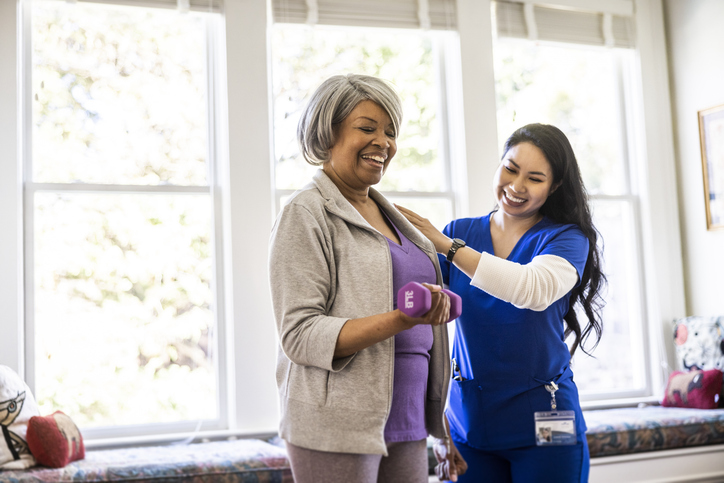
Social engagement supports mobility, daily functioning and recovery. Older adults who feel socially connected are often more likely to stay active, attend meals, participate in routines and follow care plans. These behaviors contribute to strength, endurance and functional independence.
Public health guidance from the U.S. Department of Health & Human Services links social isolation with increased risk for serious physical health conditions, including cardiovascular disease and stroke. In everyday life, connection becomes a motivator—a reason to get out of bed, a walking partner in the hallway or encouragement to complete therapy exercises.
Mental and Emotional Wellbeing: Belonging Matters
Connection reduces loneliness and supports emotional stability. Loneliness and social isolation are strongly associated with depression, anxiety and reduced quality of life in older adults. Research summarized by the National Institute on Aging shows that meaningful relationships and regular interaction can improve mood and buffer stress.
Feeling known, valued and included supports emotional resilience, especially during life transitions such as a move, a new diagnosis or recovery after hospitalization.
Cognitive Health: Keeping the Brain Engaged
Conversation, learning and shared activities help keep the brain active. Social interaction supports attention, memory and communication through mental stimulation and emotional engagement.
Studies published in JAMA Network indicated increased isolation with higher risk of cognitive and functional decline over time. Regular social engagement may help support cognitive reserve by keeping the brain challenged and connected.
Whole Person Care at Trinity Health Senior Communities
Trinity Health Senior Communities integrates social connection into whole person care across Independent Living, Assisted Living and Skilled Nursing.
Shared meals, life enrichment programs, resident led groups, lifelong learning opportunities and Spiritual Care are designed to support connection in ways that respect individual preferences while fostering belonging and purpose.
Learn more about wellness and social connection at Trinity Health Senior Communities
See how social connection is supported across Independent Living, Assisted Living and Skilled Nursing
Come Visit Us!
Seeing is believing! Contact us today to visit with one of our knowledgeable advisors and learn more about how our community can enhance your life through independent or assisted living.