
Wellness, Wellbeing and the Power of Social Connection
Wellness and social connection are essential parts of healthy aging. At Trinity Health Senior Communities (THSC), opportunities for meaningful connection support physical health, emotional wellbeing and quality of life across Independent Living, Assisted Living and Skilled Nursing.
Is Assisted Living Right for You? Find Assisted Living Near You
Social Connection as a Foundation of Whole Person Wellness
At Trinity Health Senior Communities, wellness is intentionally designed to support the social, emotional, physical, and spiritual dimensions of healthy aging.
Wellness is about more than physical health alone. It includes emotional balance, mental engagement, purpose and meaningful connection with others. As we age, social connection becomes a foundational part of whole person wellbeing—supporting how we feel, how we function and how we experience everyday life.
Life transitions such as retirement, the loss of a spouse or friends, changes in mobility or new health concerns can quietly reduce everyday interaction. Over time, these shifts may shrink social circles and increase the risk of loneliness and isolation. National aging and public health organizations consistently identify social connection as a protective factor that supports health and resilience in later life.
At Trinity Health Senior Communities, social wellbeing is intentionally woven into daily life. Across Independent Living, Assisted Living and Skilled Nursing, community design, programming and care practices make it easier to build relationships, stay engaged and feel a sense of belonging.
Why Social Connection Matters for Healthy Aging:
Physical Health

Socially connected older adults tend to maintain better mobility, strength and daily function. Regular interaction encourages movement, routine and participation in meals, activities and care. Public health guidance from the U.S. Department of Health & Human Services links social isolation with increased risk for serious physical conditions, including cardiovascular disease and stroke.

Cognitive Health

Conversation, learning and shared activities help keep the brain active. Longitudinal research published in JAMA Network Open links increasing social isolation with higher risk of cognitive and functional decline over time.
Emotional Wellbeing

Belonging, purpose and feeling valued support resilience, especially during transitions such as a move, recovery after hospitalization or adjustment to new care needs.
Explore the importance of socialization for older adults
Wellness Across Levels of Living
Social connection supports wellbeing at every stage of aging, though it may look different depending on needs and preferences.
Independent Living
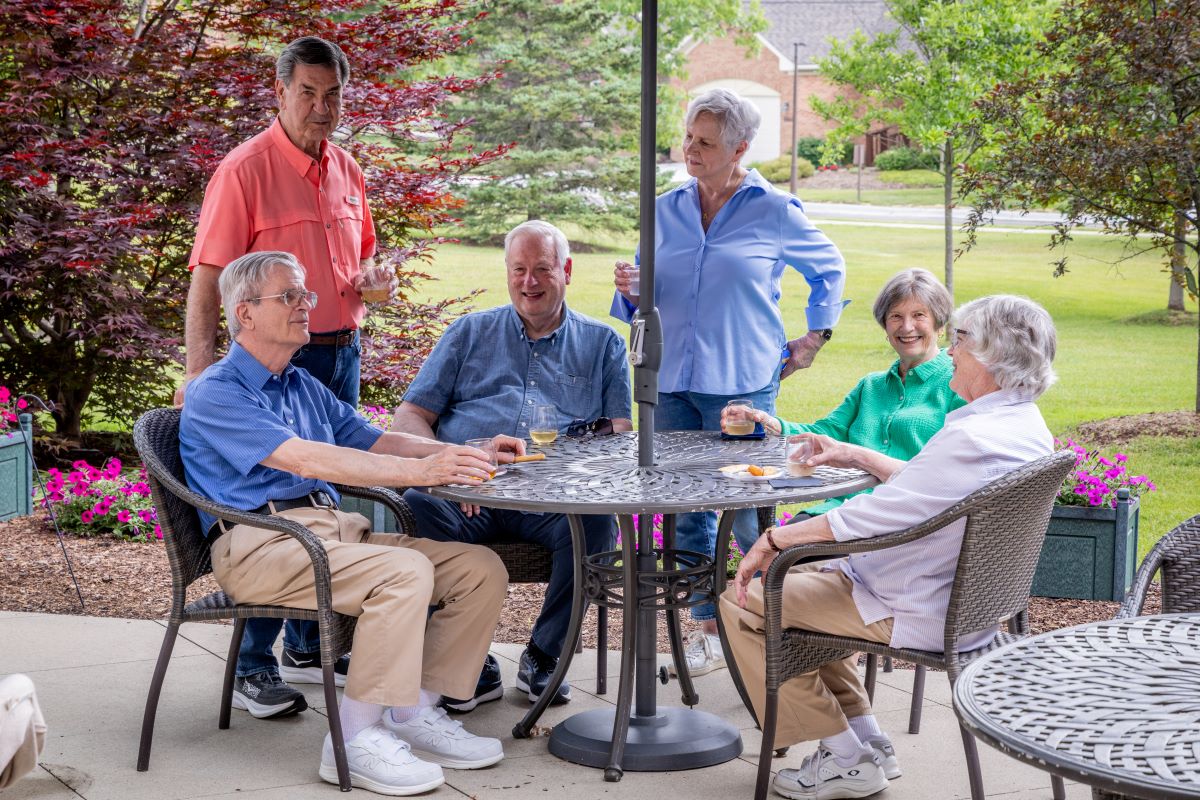
Independent Living is designed for older adults who want freedom and privacy with the added benefit of a built‑in community. Shared dining, clubs, wellness programs and lifelong learning make it easier to stay socially engaged without the effort of coordinating transportation or schedules.
Assisted Living
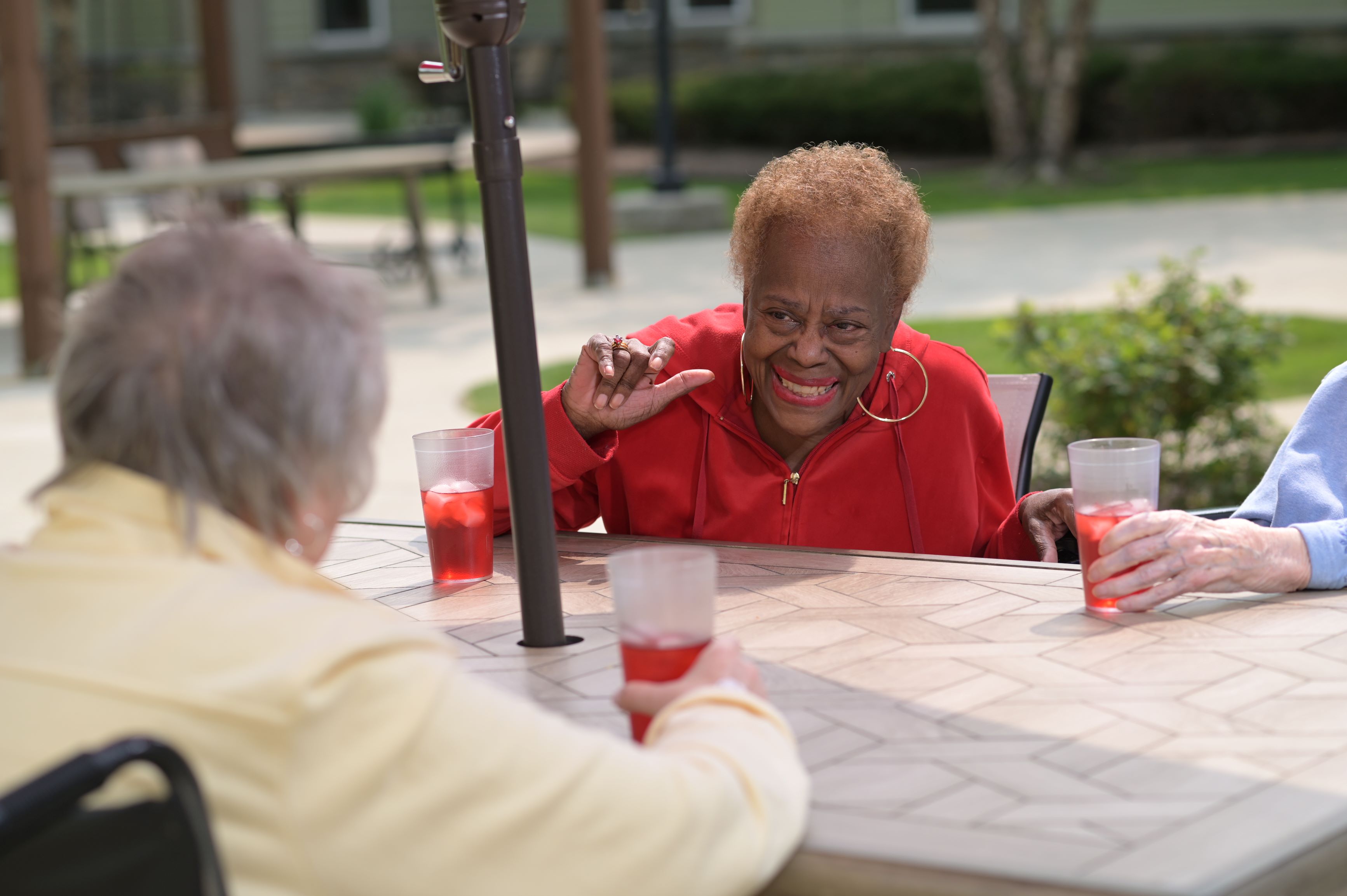
When daily tasks become more challenging, social life can narrow. Assisted Living pairs personalized support with a welcoming environment, helping residents stay connected even as needs change. Gentle encouragement and practical assistance remove barriers to participation and build confidence.
Skilled Nursing
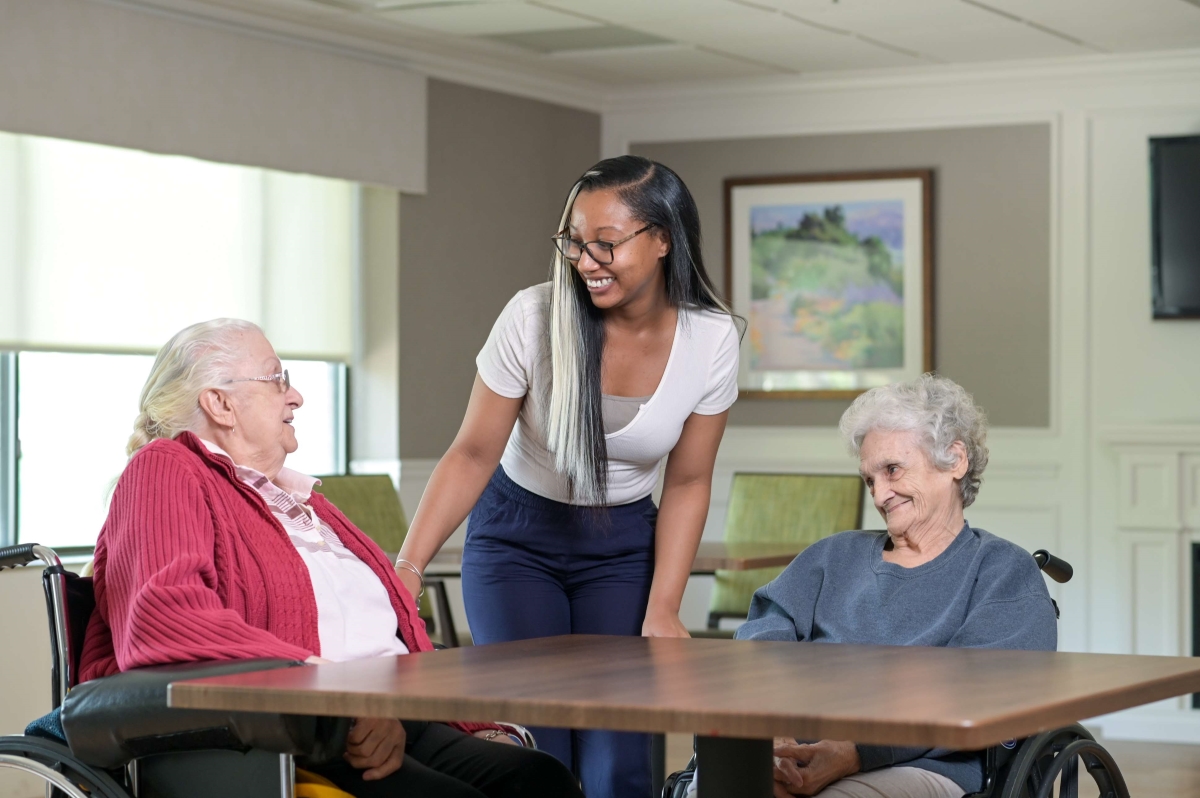
During recovery or complex medical care, connection matters deeply. Skilled Nursing communities support dignity, motivation and emotional wellbeing through meaningful activities, family involvement and relationship based care. Social engagement complements clinical care and supports recovery.
How Community Living Helps Combat Isolation
Isolation often develops not from lack of interest in others, but from barriers that make connection harder to access. Senior living communities reduce these barriers by embedding connection into daily life.
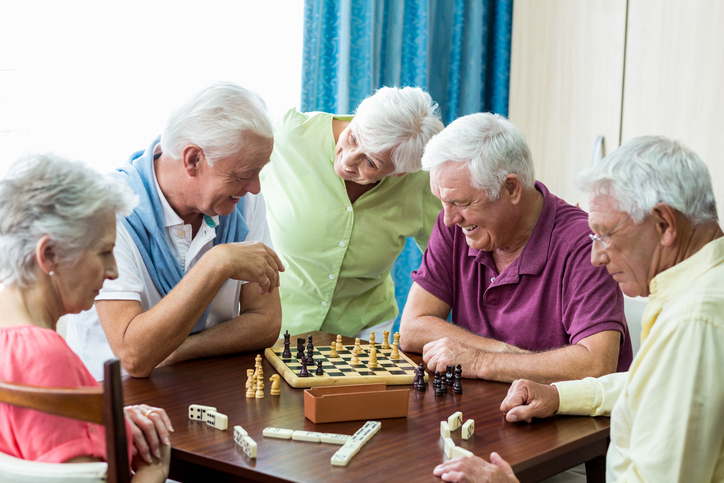
Shared meals, welcoming common spaces, life enrichment programs and resident led groups create consistent opportunities for interaction. Organized transportation and on site activities make it easier to stay engaged without the stress of planning or driving.
National public health leaders, including the U.S. Surgeon General, identify social isolation and loneliness as significant health risks for older adults. Community living addresses these risks by making connection accessible, routine and meaningful.
How senior living helps combat isolation

Lifelong Learning, Purpose and Engagement
Wellness includes curiosity, contribution and purpose. Discussion based classes, guest speakers and educational partnerships keep the mind active while building social bonds. International research highlighted by the UNESCO Institute for Lifelong Learning connects lifelong learning with autonomy, inclusion and quality of life in later life.
Resident led committees and volunteer opportunities allow individuals to contribute skills, shape community life and maintain a sense of purpose. Academic research published by Cambridge University Press links social engagement and meaningful participation with improved psychological wellbeing in older adults.
Social Connection in Skilled Nursing and Recovery
In moments of illness, injury or recovery, social connection becomes especially important. Skilled Nursing communities provide clinical care while also supporting emotional and social needs.
Research summarized by the National Institute on Aging and the Alzheimer’s Association links social engagement with better emotional and cognitive outcomes, even during periods of complex care. Encouragement from peers, staff and loved ones can support participation in therapy and daily routines, contributing to recovery and quality of life.
Social connection in Skilled Nursing and recovery
What Social Wellness Looks Like at Trinity Health Senior Communities
Social wellness looks different for everyone. A strong community creates space for both active social calendars and quieter, more personal connection.
- Shared meals and welcoming common areas
- Life enrichment programs that support creativity, movement and joy
- Resident led groups and committees that foster purpose
- Performances, celebrations and cultural events
- Lifelong learning opportunities and educational experiences
- Spiritual Care that supports meaning, hope and reflection
Together, these programs support strength, comfort, connection and independence at every stage of aging.
Explore how wellness and social connection support healthy aging at Trinity Health Senior Communities.